Puppy socialisation explained: Why meeting other dogs isn’t enough
August 3, 2026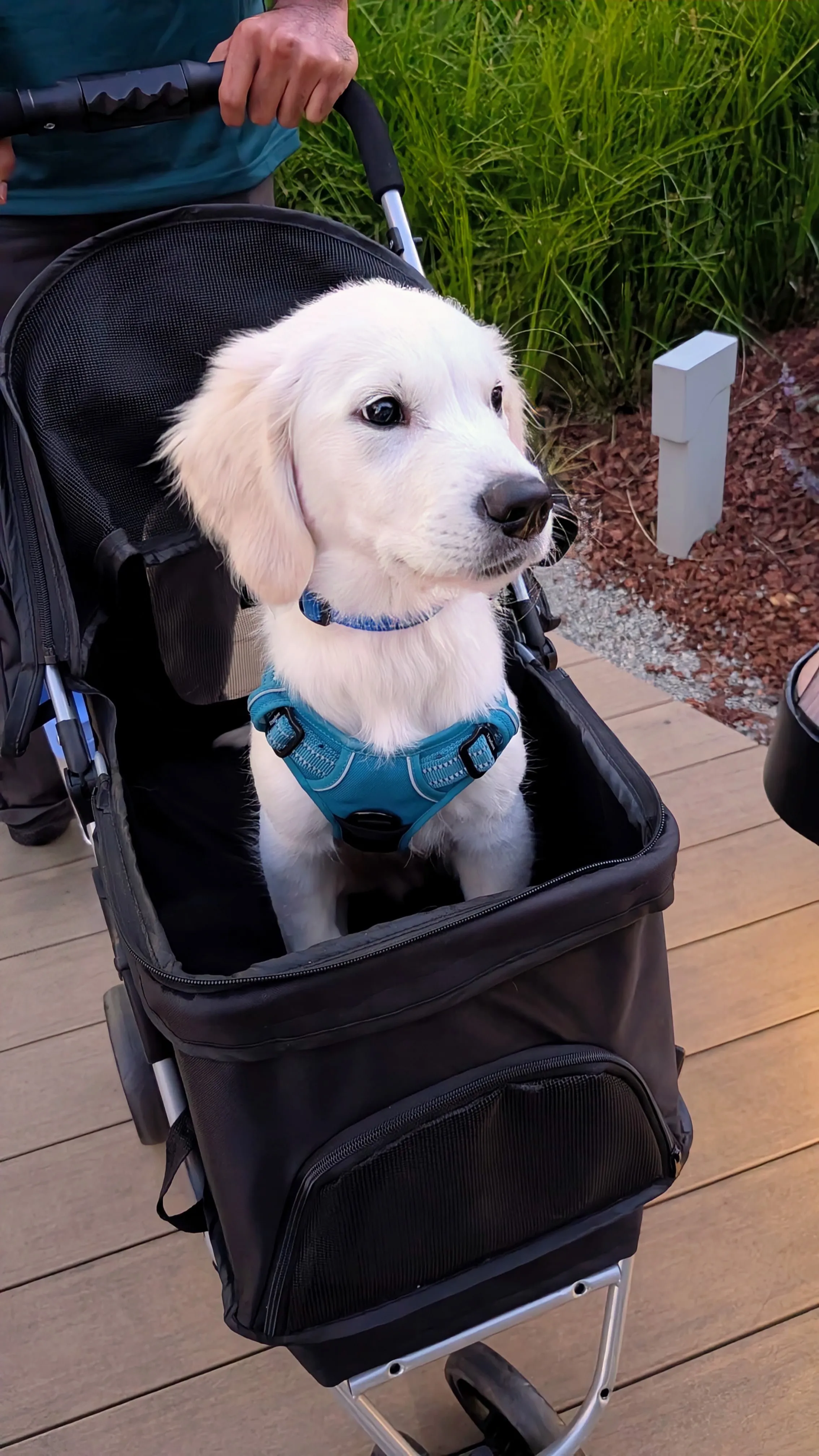
If you’ve recently brought home a puppy or are about to bring one home, chances are you’ve heard the word “puppy socialisation” more than once. But what does puppy socialisation actually mean? For many owners, it means letting their puppy meet other dogs. And while that’s certainly part of it, it’s only a small piece of a much bigger picture.
What puppy socialisation actually means
True socialisation is about exposing your puppy to the world - people, places, sounds, and situations in a way that builds confidence and sets a solid foundation for a happy adult dog. The goal is for your puppy to learn that the world is a safe, predictable place. Every positive experience helps build confidence. Over time, those experiences teach your puppy that new people, places, sounds, and situations don’t have to be frightening. A well-socialised puppy is comfortable in a variety of environments and can handle the unexpected without falling apart.
The Critical socialisation Window
Puppies have a critical window for socialisation that closes at around 12 to 16 weeks of age. During this period, their brains are primed to absorb new experiences and form lasting associations. How and what they encounter during these early weeks can shape their behavior and confidence for the rest of their lives. This doesn’t mean socialisation stops after 16 weeks, but getting it right early makes everything that follows much easier.
What Should Your Puppy Experience During the socialisation Window?
Here are some of the key things your puppy should be experiencing during this window:
- Children - Different ages, sizes, and energy levels. Children move and sound differently from adults, and puppies that aren’t exposed to them early can find them alarming later on.
- Traffic - Cars, motorbikes, buses, and bicycles. Start at a distance and let your puppy observe from a place where they feel comfortable.
- Other dogs — Calm, vaccinated, and well mannered adult dogs ideally. Not every dog interaction needs to be a full play session. Sometimes just being near other dogs calmly is enough.
- Construction and loud noises — Power tools, drilling, road works. These are unavoidable parts of everyday life and puppies that haven’t been exposed to them can become reactive or fearful.
- Busy downtown areas — Crowds, noise, different smells, unpredictable movement. Short, positive visits to busier areas can make a huge difference.
- The beach or open spaces — New textures, sounds like waves, and wide open environments are all valuable experiences for a young puppy.
What If My Puppy Isn’t Fully Vaccinated Yet?
This is one of the most common questions I get from new puppy owners. The good news is that you don’t have to wait until your puppy is fully vaccinated to start socialising them, you just need to be a little more creative about how you do it. If you’re raising a puppy in San Jose, here are some safe ways to get your puppy out and experiencing the world:
- Carry them - Simply carrying your puppy around busy areas allows them to take in the sights, sounds, and smells without their paws touching the ground.
- Use a stroller or bag - A pet stroller or carry bag is a great way to take your puppy to busier environments safely and comfortably.
- Wipe their paws and belly - If your puppy does walk on the ground in lower risk areas, wiping their paws and belly afterwards is a simple precaution.
- Use a mat - Lay down a mat at a pet-friendly restaurant or public space and let your puppy sit and observe the world from a safe, familiar surface. This is a great way to build confidence without full exposure.
Positive Associations Are Everything
Exposure alone isn’t enough. What matters is that your puppy has a positive experience. Flooding a puppy with too much too soon or pushing them into situations they’re not ready for, can do more harm than good. The goal is to go at your puppy’s pace, keep things positive, and pair new experiences with things your puppy loves, whether that’s treats, praise, or play.
Watch your puppy’s body language. If they’re hesitant, give them space and time. Never force interactions.
Common Puppy socialisation Mistakes
Even with the best intentions, it’s easy to make mistakes during the socialisation period. Here are a few of the most common:
- Waiting until vaccinations are complete - Safe socialisation can begin before your puppy is fully vaccinated. Carrying your puppy, using a stroller, or visiting low-risk environments are great ways to start exposing them to the world.
- Thinking socialisation is only about meeting other dogs - While positive interactions with older, well-behaved dogs are important, your puppy also needs exposure to different people, places, sounds, surfaces, and everyday situations.
- Overwhelming your puppy - Introducing too many new experiences at once or forcing your puppy into situations they’re uncomfortable with can create fear instead of confidence.
- Taking your puppy to the dog park - Dog parks are one of the highest-risk environments for puppies to pick up infectious diseases before they’re fully vaccinated. Instead, choose controlled interactions with calm, healthy, well-mannered dogs in safer environments.
The goal isn’t for your puppy to experience everything. It’s for them to have positive, confidence-building experiences that help them feel safe and comfortable in the world.
Frequently Asked Questions
When should I start socialising my puppy?
As early as possible. Puppies go through a critical socialisation period during their first few months of life, when they are especially open to learning about the world around them. Continued positive experiences throughout adolescence and adulthood help your dog remain confident and adaptable. The goal is not to expose your puppy to everything at once, but to create safe, positive experiences that build confidence over time.
Can I socialise a shy or fearful puppy?
Yes, but the approach matters. A shy puppy should never be forced into interactions or pushed beyond their comfort level. Instead, focus on creating positive experiences at a pace your puppy can handle. Giving your puppy choices, pairing new situations with things they enjoy, and allowing them to observe from a comfortable distance can help build confidence over time.
What happens if I don’t socialise my puppy?
A lack of positive socialisation during puppyhood can make it harder for dogs to confidently navigate new experiences later in life. Puppies that miss out on early exposure may be more likely to feel fearful or overwhelmed by unfamiliar people, places, sounds, or situations.
That doesn’t mean an older puppy or adult dog cannot learn. Dogs are capable of learning throughout their lives, but thoughtful early socialisation can help create a strong foundation for confidence and adaptability.
Continue Your Puppy Training Journey
Socialisation is just one piece of raising a happy, confident, and well-mannered dog. Consistent training during those early months helps puppies develop good habits that last a lifetime.
If you’re looking for more hands-on guidance, my Puppy Foundations program is designed for puppies under six months of age and focuses on building confidence, and strong foundations from the very beginning. For owners looking for more comprehensive support, my Comprehensive Puppy Program provides a structured training plan that covers everything from basic obedience and loose leash walking to impulse control, recall, and everyday manners as your puppy grows.
You may also enjoy reading my guide to Crate Training Your Puppy, where I share practical tips to help your puppy feel safe, settled, and comfortable in their crate.